

What is project management? Project management is a discipline that focuses on effective project control. It is the proper management of a project that minimizes the risks of failure, and increases the chances of success. Especially when it comes to IT project management. Do you want to gain the ability to see projects through to a successful conclusion? So find out what project management is and how to approach it properly.

Proper project management will help you organize your work and give you a detailed overview of the project status. It will help you map out the project goals and allow you to track all the activities that are needed in meeting those goals. 3 main benefits of project management:
The goal of project management is to create a final product or to implement a project. This makes projects very different from continuous activities that need to be done on a regular basis. Business as usual (BAU) activities are carried out on a regular basis and ensure the long-term operation of the company. Such activities can be, for example, team meetings, creating documentation, carrying out ordered activities for clients or answering emails. These activities are a normal part of the daily workload and are unlikely to need specific management.
Projects that require project management are those that:
Approach the project choice according to its characteristics. As no two projects are the same, there is no right approach to project management. You should approach a software development project and the construction of a new office building differently.

IT Project Quality Manager nowadays does not stick to just one project management method, but often combines different practices to adapt them as much as possible to their project, clients and the whole team. Want to know what method to choose for your project? Let’s describe the advantages and disadvantages of project management approaches.
The traditional or waterfall approach involves careful planning at the beginning of the project and management of all activities during the project. This approach is appropriate to take when you have a clear goal and need to manage all activities within the project. Agile management methods are the opposite. Unlike agile project management, the waterfall approach requires a described project goal, deliverables, and project plan. The waterfall approach consists of five phases:
The first impulse to create the project comes. Its basic objectives are defined and initial analyses are carried out.
A scheme of work shall be created. At the end of this phase, you should know both the time scope and the detailed budget.
During this phase, team members perform the work tasks defined in the plan to meet the project objectives on time.
The entire project is monitored and, if necessary, adjusted to achieve the specified result.
Final phase of the project. You will evaluate the outcome and the process of the project itself. This will help you identify strengths and weaknesses that can serve you in the implementation of future projects.
What is agile management? The agile project management approach is much more free-flowing than the waterfall approach. Agile management is suitable for projects that are characterized by a high level of uncertainty (everything cannot be described and planned in detail in advance). What is Agile project management and project execution? It represents a strategic approach to team organization and project execution that emphasizes the values and principles of agile methodologies. Agile methodology emphasizes flexibility, team collaboration, and rapid response to change during project development. Managing project execution in an agile environment emphasizes iterative cycles, regular feedback loops, and the ability to adapt to dynamic requirements, project priorities, and effective risk management.
What is Agile and how does it manifests itself, for example in project management or software development? Agile programming, also known as agile software development, is one of the most well-known agile methodologies and includes, for example, Extreme Programming (XP), the Scrum method or Lean development. For adherence to agile methods in a project, an Agile coach can help by coaching the team and managers. The Agile approach is based on the continuous refinement of the project goal and places great emphasis on the interaction between the end users and the project team. As a result, projects are able to flexibly adapt to rapidly changing conditions and customer requirements. The Agile approach has 4 core values:
These core values are at the heart of all agile approaches to project management. They make it clear that agile approaches are primarily based on collaboration and people. This applies not only to work processes, but also to finished products. That means, the goal is to create something functional that delivers the most value to the end user.
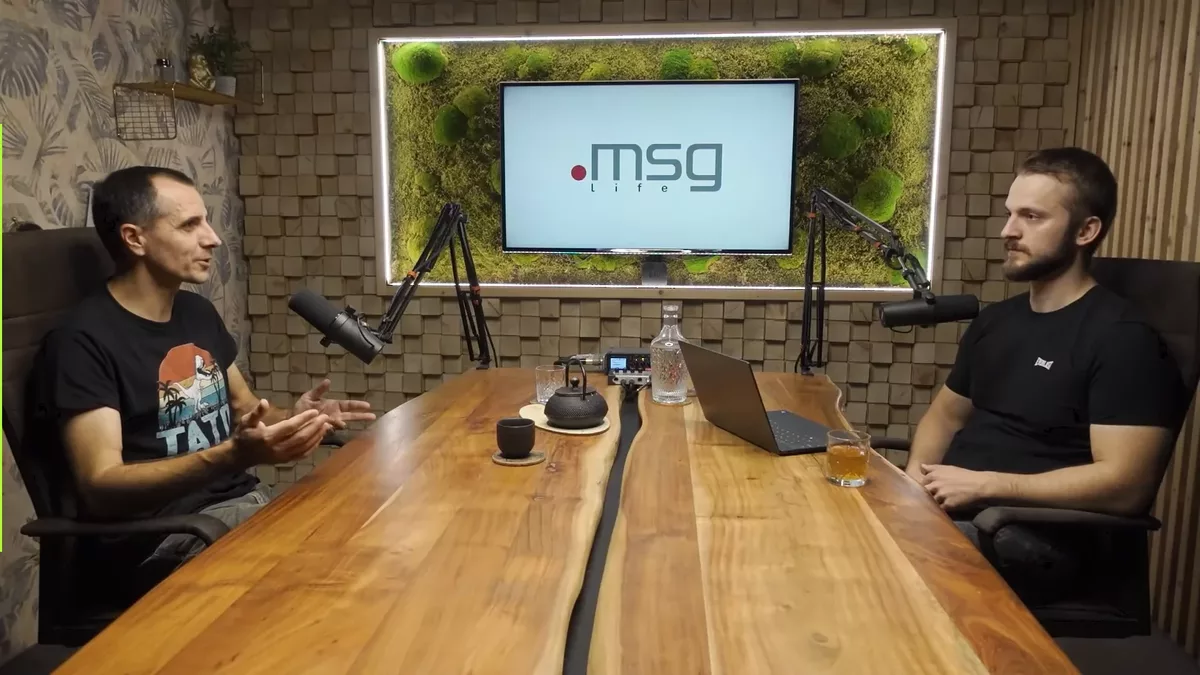
Our scrum master Michal was recently on the Informatika s Misom podcast, where he talked about What is scrum. If you’re interested in the topic of agile development and prefer the spoken word, listen to the podcast. Click on the image:
Project management, of course, is not just about whether you take a traditional or agile approach to project management. You can also increase the success of your projects in other ways. For example:
Project management cannot do without good tools. One of them is project management software or applications. Thanks to them, you get several advantages:
For example, you can use the kanban view (online bulletin board), which shows tasks in clear columns.
The secret to well-functioning teams and projects is trust, good communication and honesty. For example, you and your team can receive training to improve effective communication. This will give you a motivated team and increase your chances of successfully completing the project. What does such a team look like?
Set the rules about assigning tasks right at the beginning of the project. What software will you use to solve each task and how? What does the task have to contain? This will avoid any misunderstandings. Each task should include:

Meetings are in most cases lengthy and ineffective. So set up regular meetings within the team. For example, you can use sprints (scrum model), which vary in length. In practice, this means that every Friday the individual team members receive a list of tasks for the following week (weekly sprint). On Monday, the team gets together, summarizes the previous week’s work, and makes sure everyone understands the scheduled tasks. Other useful meetings can be retrospectives, either with individual members (one-to-one meetings) or as a whole team. During these meetings, the work done so far is discussed, as well as feedback and suggestions for improvement. Choose an appropriate approach to project management and apply the tips from this article. If you’re looking for IT job offers, check out our job listings for IT developers and testers, e.g. Senior Software Developer or IT Test Manager.
At msg life Slovakia I take care of the company culture, events and I am part of the marketing team. I like a job where I can be creative and contribute to making my colleagues at msg feel good. I regularly prepare for you
not only news and interesting things from the world of information technology and insurance, but also from behind the scenes events at msg life Slovakia.
See who translates insurance into code at msg life Slovakia.